
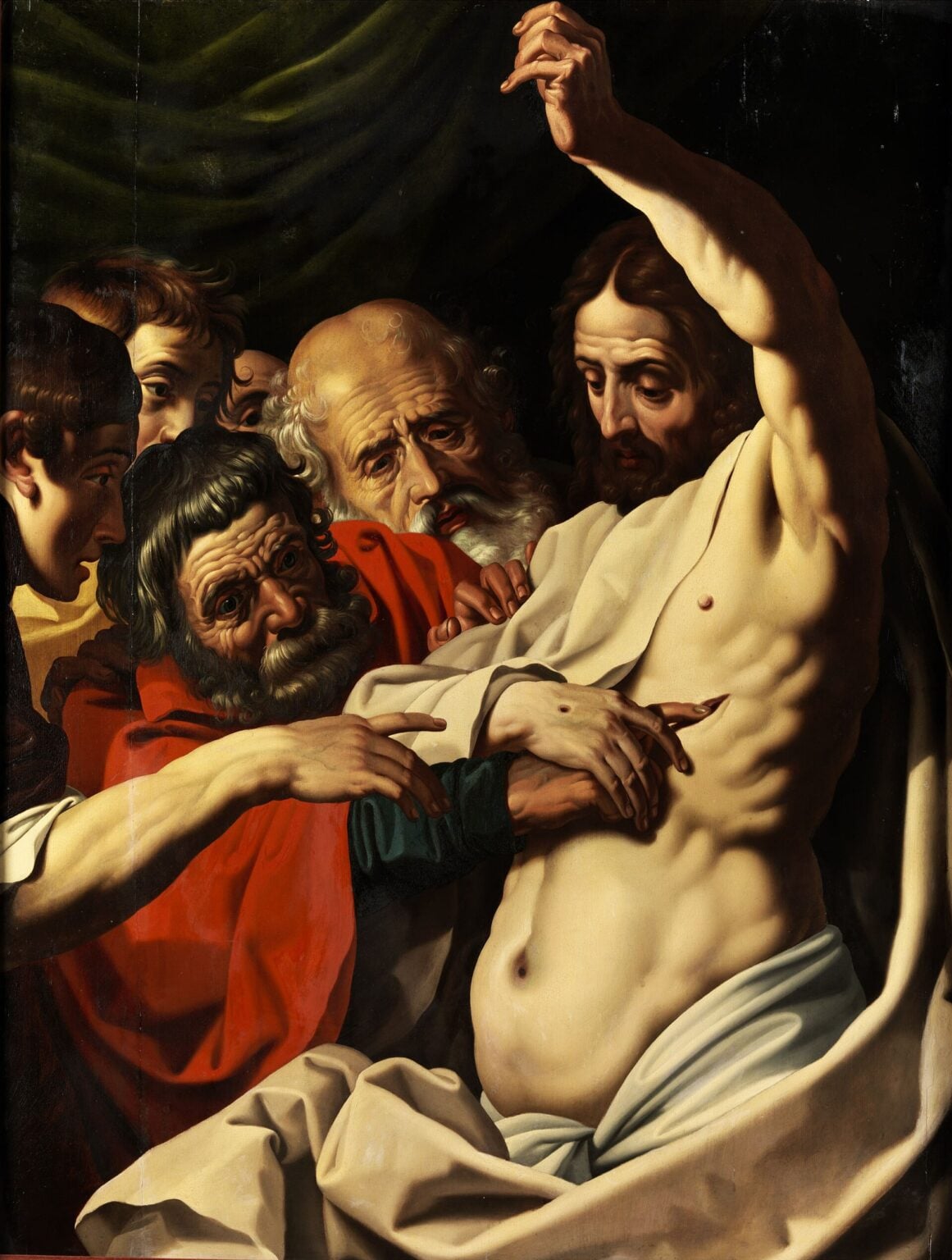
Doubt is a normal experience for people of faith, and a regular experience for anyone on a faith journey.
Sometimes life bombards us with situations that are just so overwhelming that we can have more questions than confidence: unexpected diagnoses, tragedy, global insecurity, conflict — all of these things can have us questioning.
And that’s OK!
Throughout the Scriptures, people doubt and question; from Sarai laughing at the thought of becoming pregnant in her old age (Genesis 18) to Peter’s utter bafflement at Jesus’ walking on water while his fear overtook him as much as the waves (in Matthew 14), to the unfortunately named “Doubting Thomas,” who earned his timeless moniker just for asking for what the other apostles had already received (John 20).
Most of us have had some time in our lives when we can admit we have felt unbelief, confusion, or doubt. Like so many before us, we’re human; we know our weaknesses, and we know we can ask God for help. As the father of the child healed by Jesus cried out, “I believe; help my unbelief!” in Mark 9:24, we are encouraged to come to God as we are.
Contrary to people who try to insist that we must never doubt lest we have destabilized or lost faith, God responds to doubt with grace and support, both divinely and from the community that supports us.
Isaiah 41:10 says, Do not fear, for I am with you; do not be afraid, for I am your God; I will strengthen you; I will help you; I will uphold you with my victorious right hand.
Overcoming doubts requires us to normalize them; to name them and accept them. When we know what and why our hearts are disquieted within us, we can spend time on those specifics. Finding relevant passages of Scripture can be a great starting point to ponder how others have gone through similar experiences and come through with a greater faith.
Likewise, prayer is a wonderful way to nourish our souls and experience the dwindling of our doubts. Spending time with God, in our most comfortable and authentic relationship, will hopefully bring us comfort and solace.
God doesn’t expect us to drop doubt immediately, but to journey through it and grants us the gift of growth. In prayer, we can be intentional about asking for the spiritual gifts to support us. And, as always, we can ask others to pray with and/or for us, for faith is never a solo journey.
In my experience, the Creeds have been a great resource to overcome doubts. As they encompass the fullness of our faith in a few phrases (the Athanasian word count notwithstanding), they invite us into deeper reflection.
At times when I’ve experienced spiritual uncertainty, I find going back to the simplicity of the core of our faith to be helpful; it strips off the lesser impactful issues and keeps me grounded.
The Creeds also invite me into deeper reflection to face those life circumstances, pondering if the situations of doubt actually integrate into what I believe.
Another delight of the creeds is the recognition of community, as though every statement affirms the connection we have with other people beyond time and place, like a web that supports me while I am participating in supporting others. We believe, indeed.
Throughout it all, it is helpful to be patient with ourselves as we navigate doubts. God is good and will never leave us alone, and God is always blessing us with opportunities to learn more and to strengthen our faith. Sometimes, a moment of doubt can help us uncover a rich truth that lightens our lives more than we could have imagined.
The Rev. Dr. Laura Marie Piotrowicz is the incumbent at St. John’s Anglican Cathedral in Saskatoon.