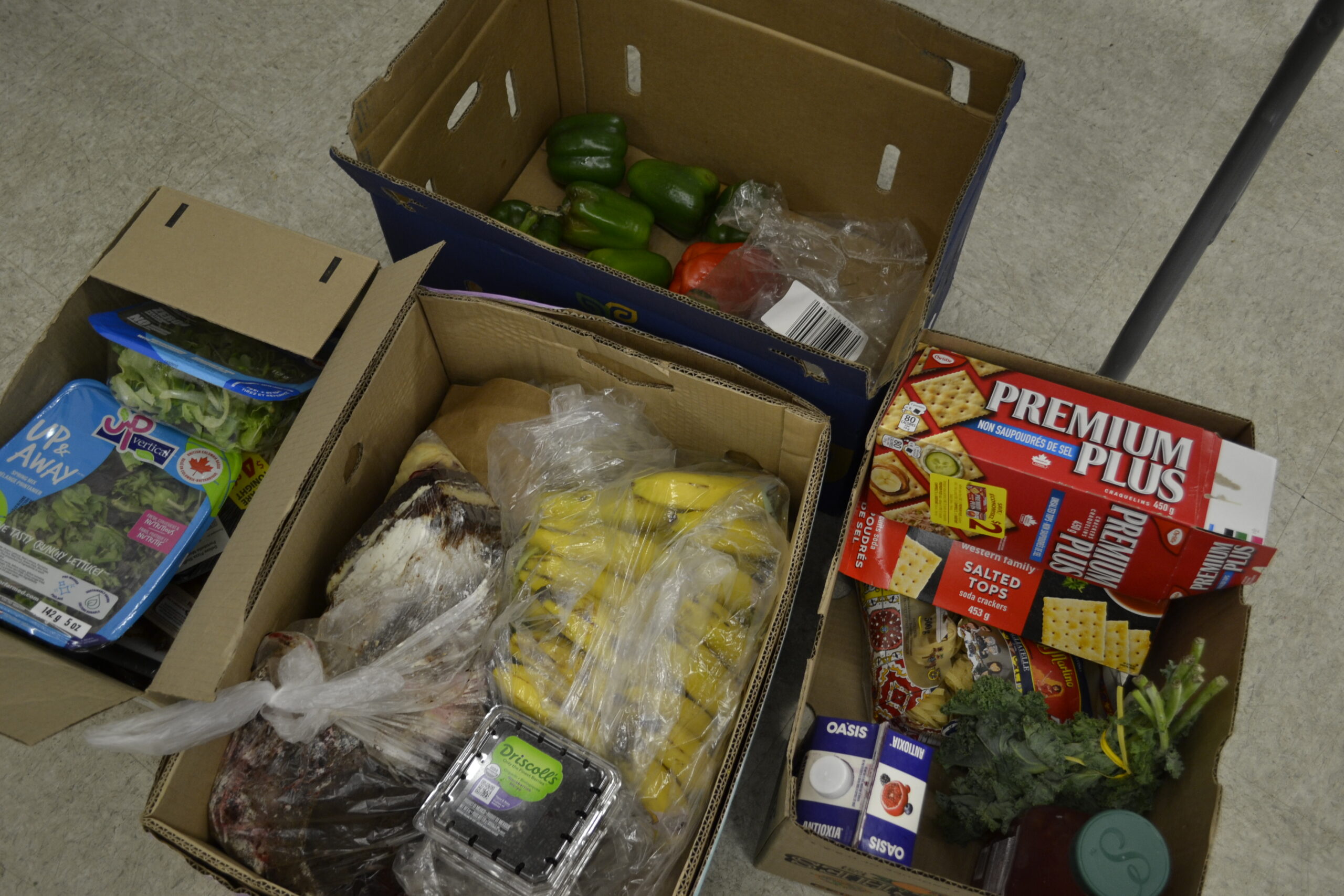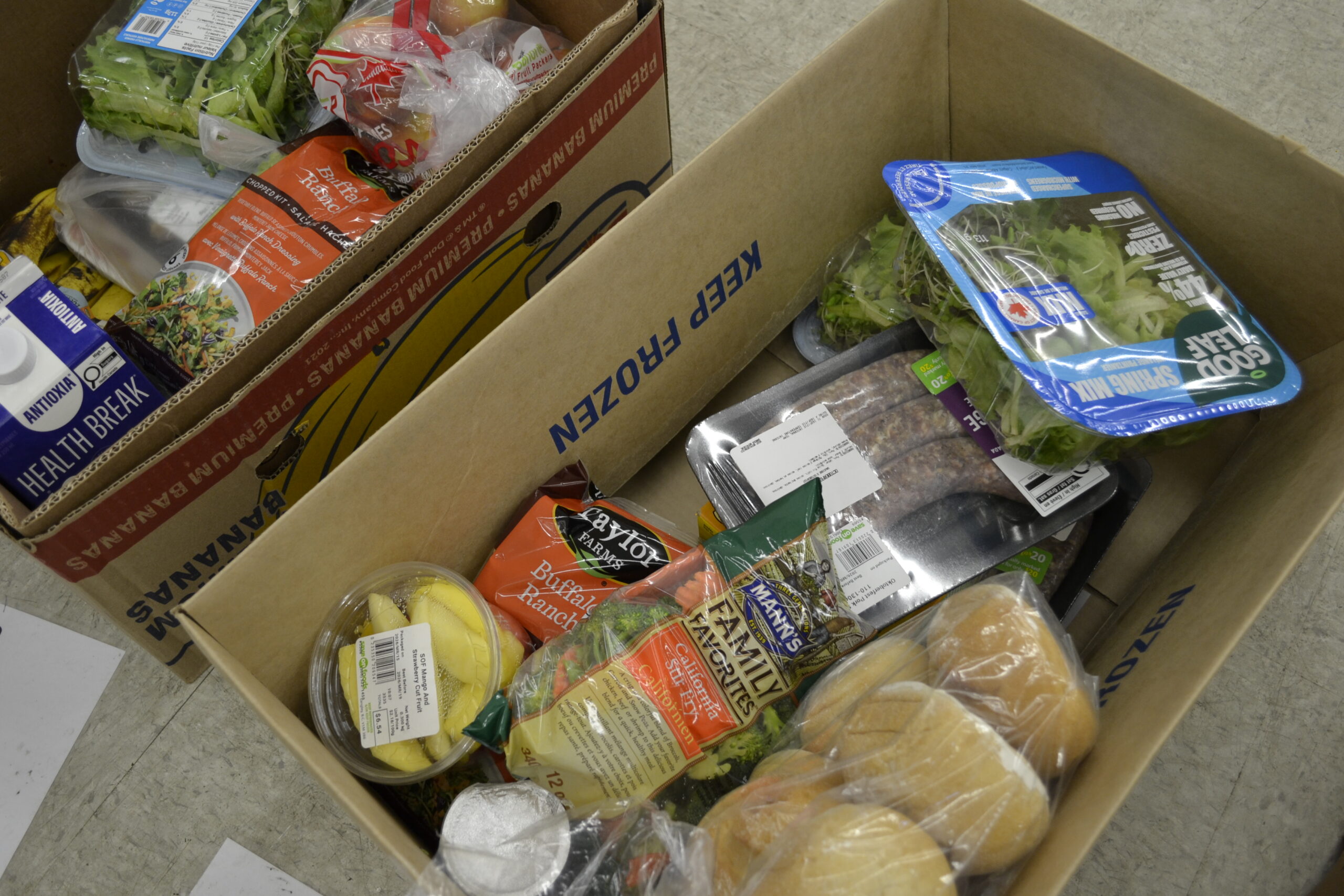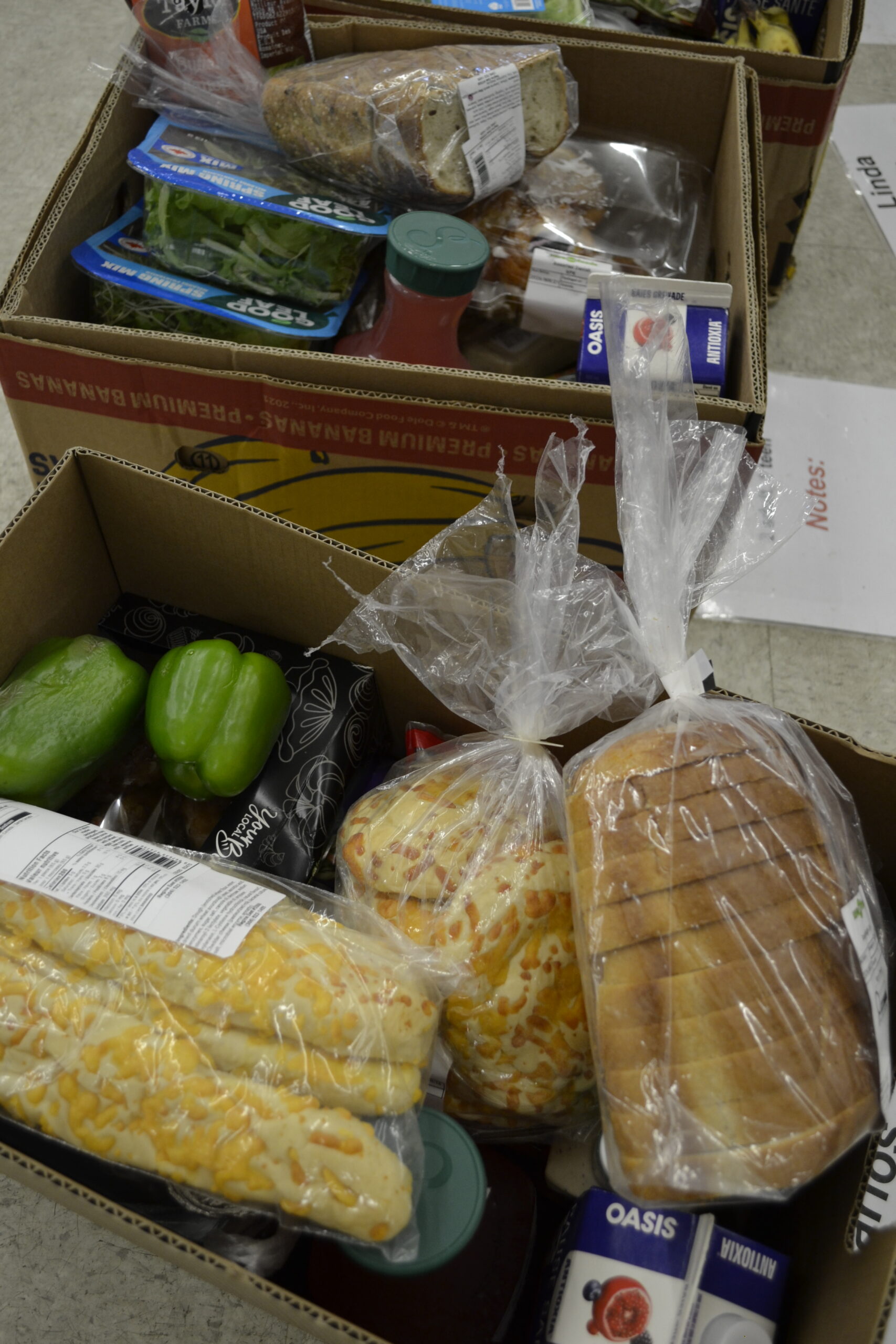
REGINA — Why would members of a small, rural congregation regularly go to the city and pick up a lot of food that nobody wants to buy? How does that fulfil the gospel? Read on … .
The rural parishioners do that because they are involved with Loop Resource, which works to reduce food waste, feed hungry people and support farmers by providing free food for their animals.
Every second Friday, a small group of volunteers from St. Thomas, Vernon, picks up unsaleable food from a grocery store and distributes it to people in need and feeds it to a variety of farm animals.
Bruce Farrer, a member of the St. Thomas congregation, says the Loop program is a three-way win. “The store wins because they don’t have to throw out food they can’t sell but still need to pay for its disposal,” he said.
“(Also), the church wins because feeding the hungry is something that a church should be doing; and it’s a win for recipients because they receive food that they need.”
Loop Resource began in British Columbia nine years ago and has spread all across the country, except for Quebec. The idea was born when a farmer realized he was struggling with the cost of feeding his livestock, and at the same time, grocery stores had to throw out huge amounts of food.
Stores cannot sell food that is past its “best before” date, or if the packaging is ripped, or even if the produce doesn’t look perfect. But that food is generally completely safe to eat, especially for animals.
Loop operates 364 days of the year — every day but Christmas. A participating store has a list of farmers who each pick up the food according to a schedule. Loop is a very popular idea with farmers, so there is a list of people to collect the food if the scheduled farmer cannot pick up for any reason.
Farrer reports that in Saskatchewan, only a small number of stores allow farmers to give any of the food to charitable organizations such as St. Thomas. The two Save-On-Foods stores are the only ones he knows of in Regina that permit it.
The grocery store staff are very obliging, he says. He notes that other local grocery stores participate in Loop, but restrict the food to go only to animals.
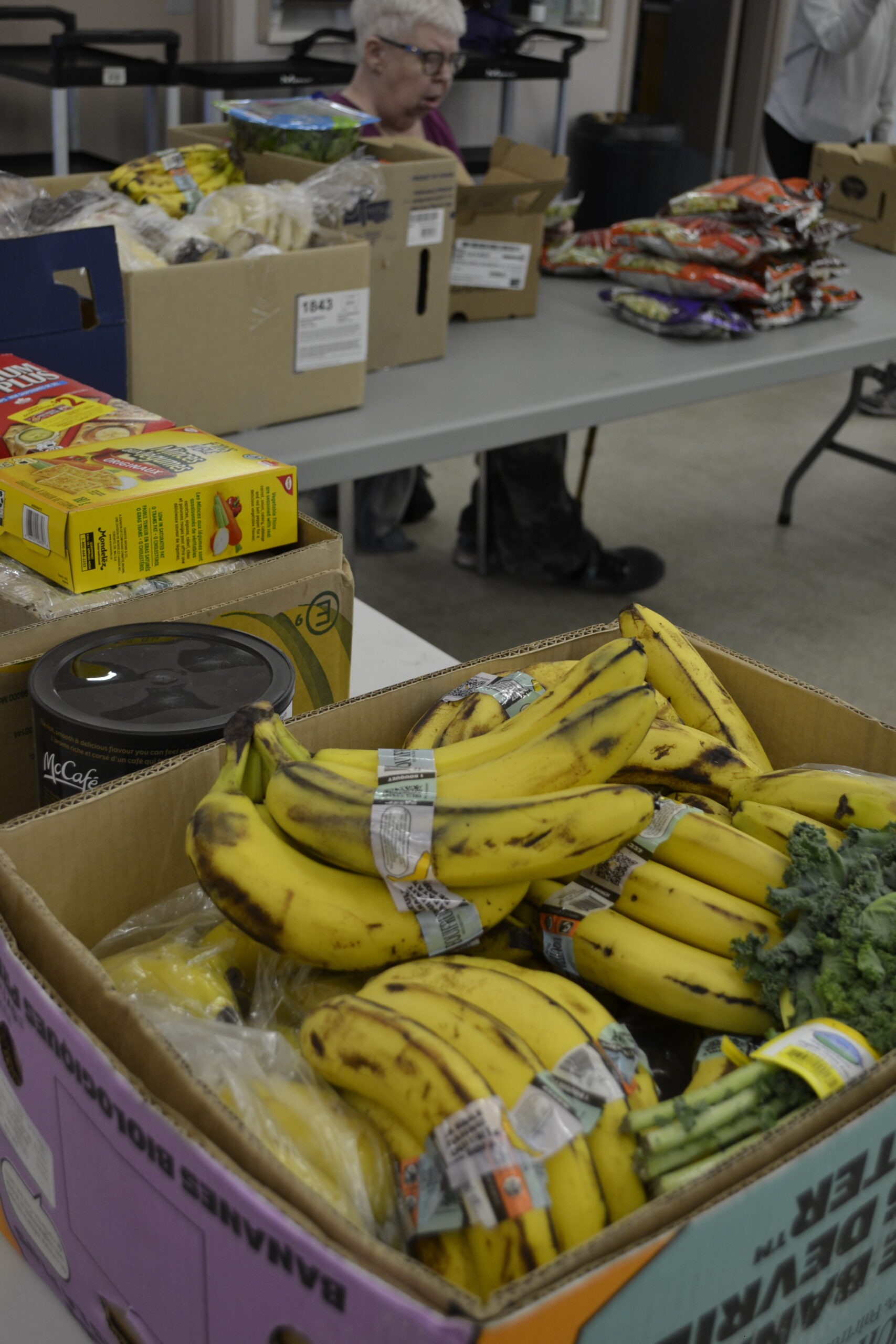
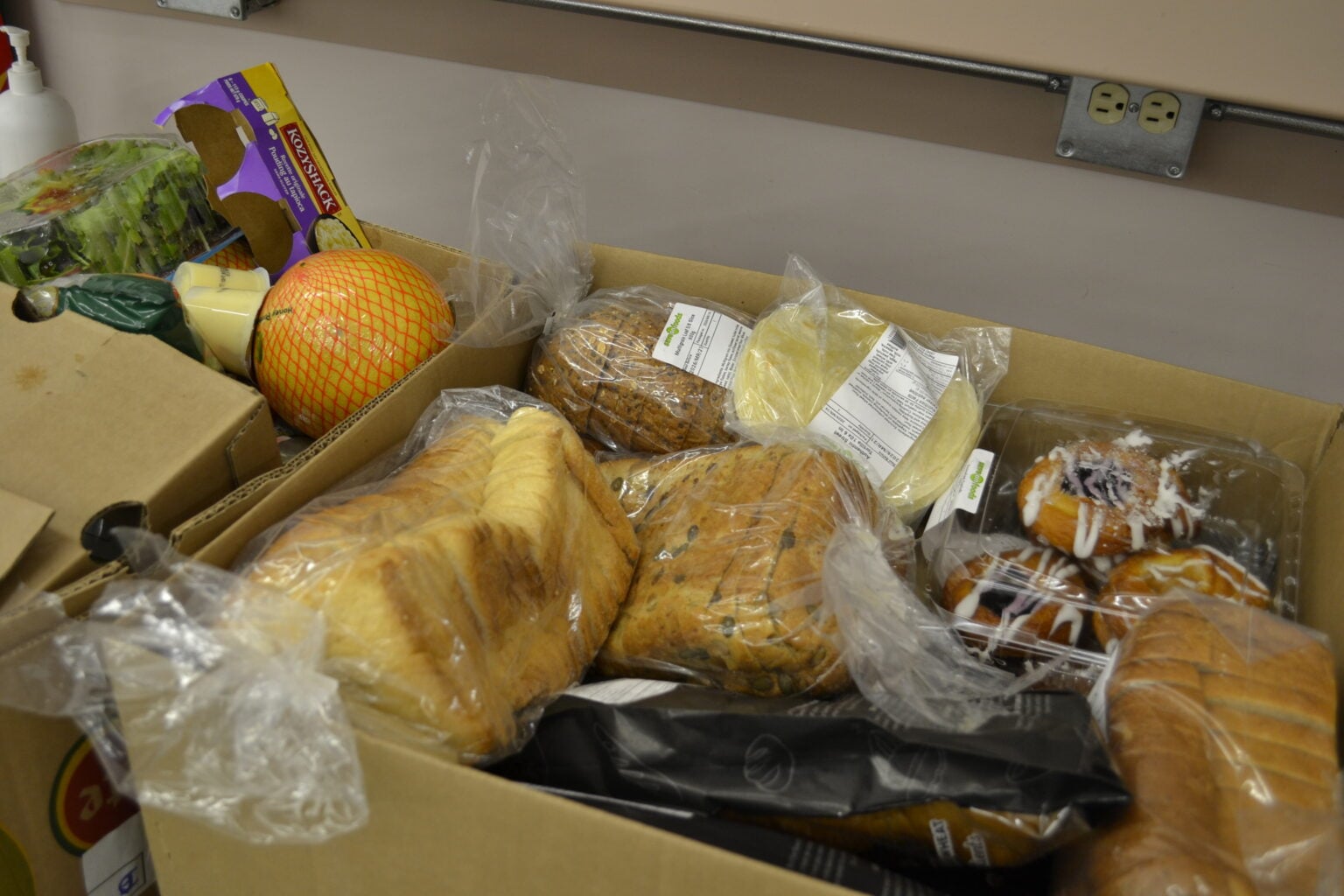
Late in the afternoon every second Friday, Farrer picks up whatever the staff at the East Save-On-Foods has set out for Loop. The average is about 15 large banana boxes full of food items, but sometimes there are as many as 23 or as few as five boxes.
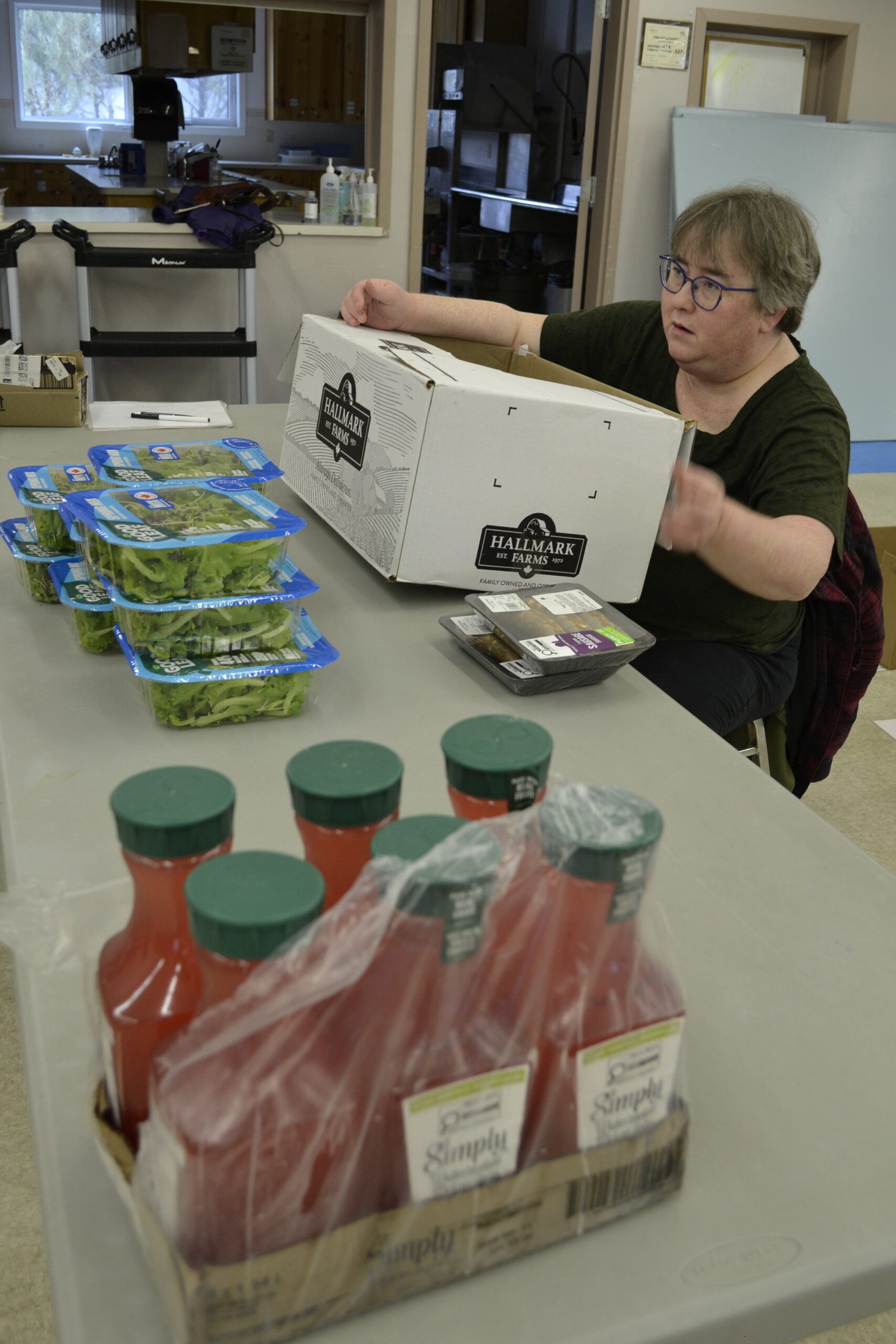
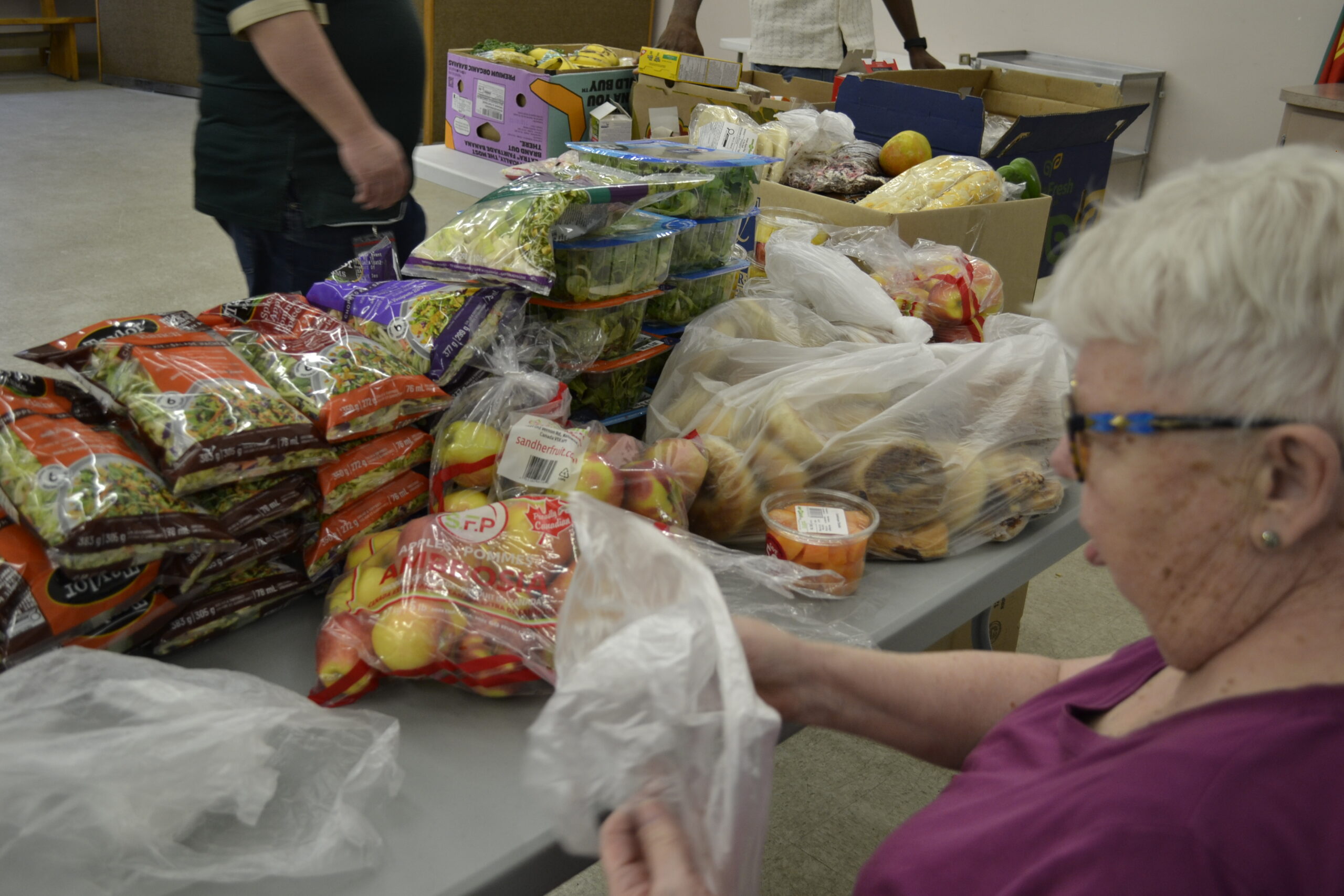
In addition to produce, Loop receives items from bakery, deli, fish and meat departments, frozen food, some cereal and occasionally canned goods.
He takes all the food to the parish hall at Immanuel Anglican Church, which provides the hall for the St. Thomas Loop group. This arrangement started when All Saints parish operated the building.
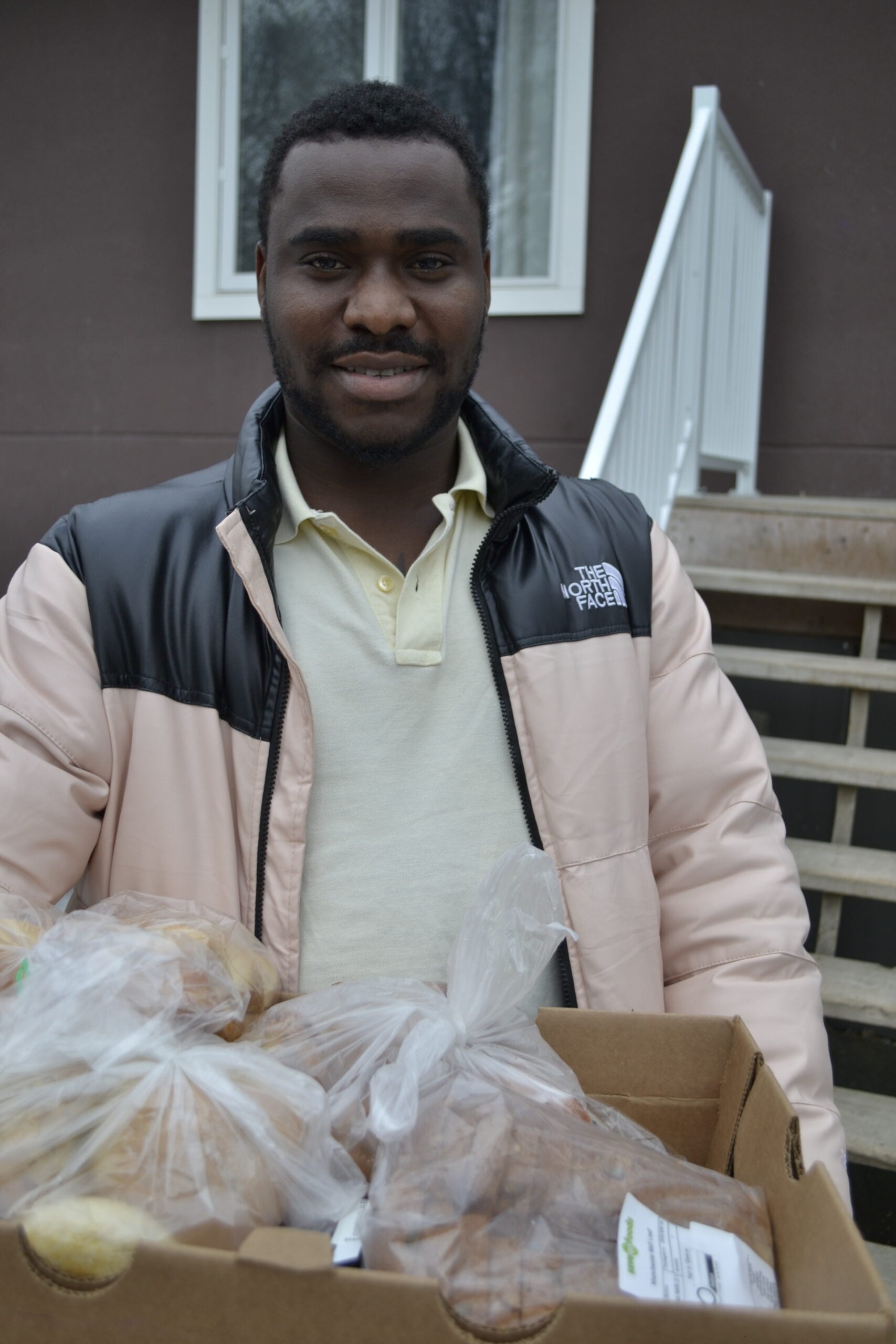
There, a team of usually six or seven people carefully sort through all the food. Anything that is still in good condition for people is shared among the 11 boxes for human recipients. The remainder goes into many boxes for Farrer’s three dozen cows, his flock of chickens, and even the farm cats.
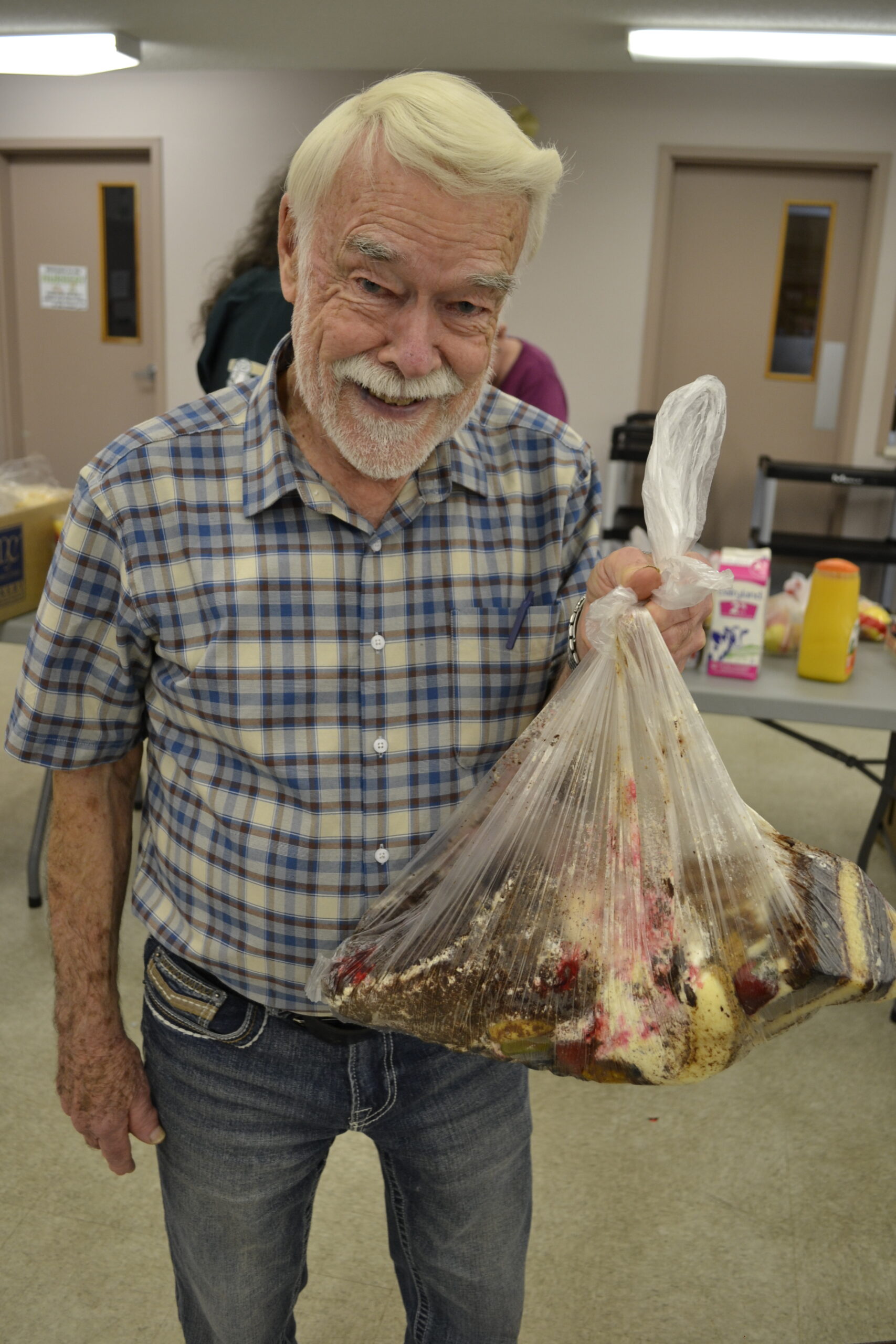
He has discovered that “none of the animals will eat mushrooms, but the cows love bread and buns. When they see me coming they run up, expecting their treats, and will fight over their ‘candy’; and, like pigs, chickens will eat nearly anything!”
The sorting process takes about an hour, and then volunteers put away the tables and clean up the hall, while Farrer and a few others deliver food to the human recipients first, and then to Farrer’s farm. Recipients live in Regina and several neighbouring small towns.
Farrer is pleased to say that some people whom they previously helped have told them that they are doing OK now and no longer need the free food, which makes the Loop volunteers happy to see.
Farrer calculates that at present 25 people are benefiting from the St. Thomas work with Loop, including a single father with a number of children, some students, single people and couples. Some of the recipients also volunteer on the sorting crew, or pick up from the church or the farm, saving the volunteers a delivery trip.
Those 25 people, as well as Farrer’s whole farm, receive nutritious food, which otherwise would go into the city landfill and benefit no one. Loop and its volunteers are acting as faithful stewards of the food supply, and feeding hungry people as the gospel instructs.