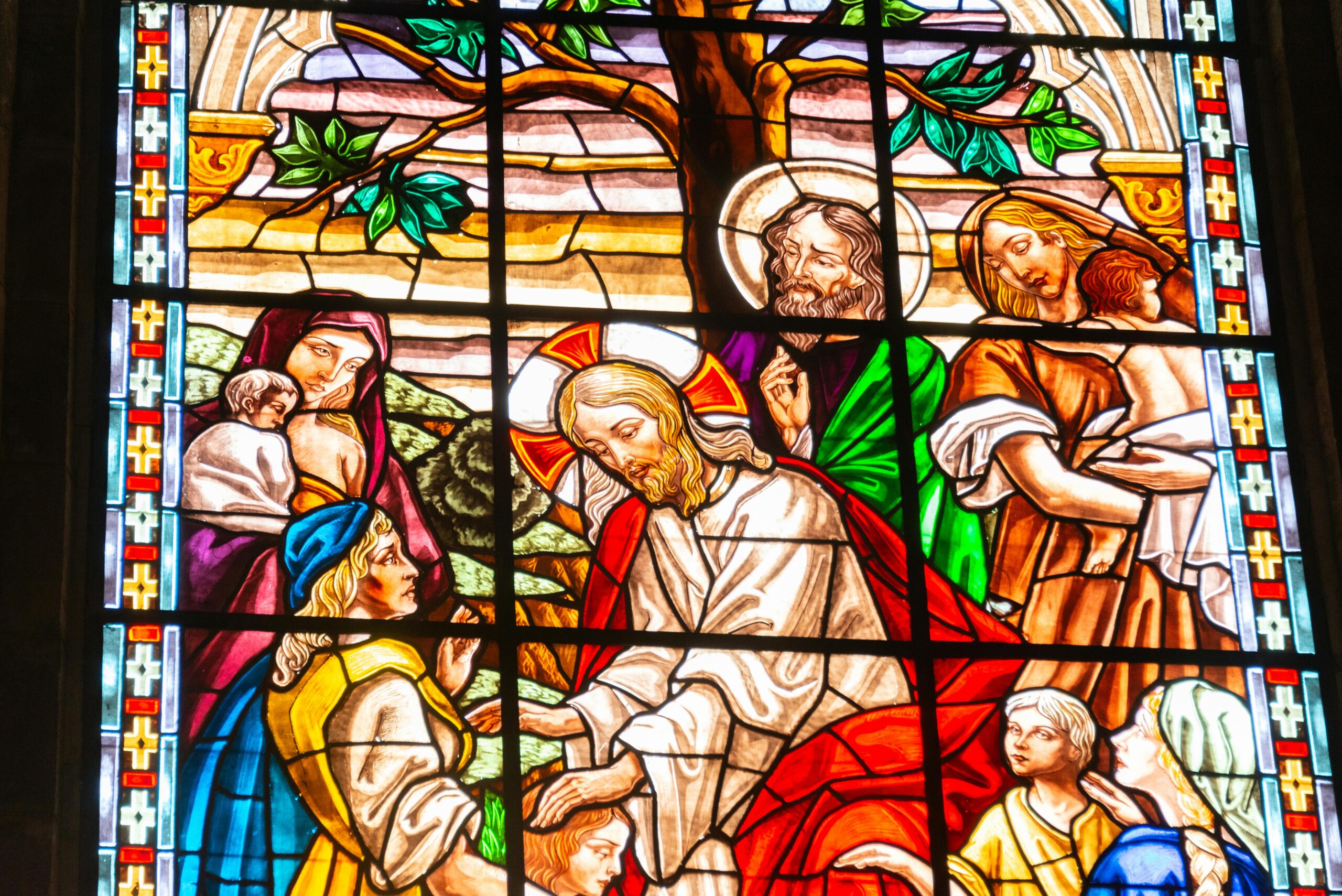
What do we mean by miracle? Did two out of five of my parishioners whose cancer went into remission after I prayed for them experience miracles of healing, or was it just coincidence?
Some indigenous Anglicans I met at Synod were quite matter of fact about manifestations of spiritual power that I think many others would consider fantastic. On a global scale I suspect miraculous events may be vastly under reported.
Perhaps, as our question allows, it only seems miracles are less frequent now because of our limited perspective. The signs and wonders recorded in Scripture are collected from years of history and seem clustered around major pivotal periods. The way people responded to Jesus’ ministry indicates that, even then, miracles were noticeably unusual.
That being said, one factor in the apparent discrepancy in the frequency of miracles could be as Apostle James says, “we have not because we ask not” (James 3:2-3). In the midst of our self-satisfied secular culture, Christians may be reluctant to either seek or report unusual providential events lest they be thought of as fanatics.
One difficulty in speaking about miracles is the ongoing influence of a theological concept known as Deism. Many philosophers of the so-called Enlightenment accepted God as the “first cause” of the cosmos, but then presumed the universe now runs “naturally” according to scientifically discernable “laws of nature,” with no further divine involvement needed or expected.
Even the term “natural” came to imply that which is independent of direct divine action. A dichotomy was produced between events that could be explained by naturalistic causes and “miracles” claiming to be the result of supernatural causes.
This notion, however, is quite different from the biblical understanding, which portrays God’s ongoing sovereign and intimate involvement in all of creation (Psalm 104, Col. 1:17). If all nature is the ongoing work of God, there is no need to suppose that some events are more supernatural than others. We merely allow that a few of the things that God does just seem unusual and inexplicable. Discoveries such as quantum entanglement and dark energy suggest there is quite a bit in the cosmos that is unexpected.
Those with a romantic sentiment might say that every beautiful sunset or every newborn child is a miracle. I used to think such sentiment was a cop-out, a way to use the word miracle without ever expecting God could or would manifest power in more unusual ways. But if miracles are just the more unusual things that God does, it is not surprizing that God’s “normal” providential actions also include a few abnormalities.
What are miracles for? The Scriptures often refer to events we call miracles as signs and wonders. What are they signs of? What reasons might God have for performing them? One repeated divine purpose for signs and wonders is “so you will know” that I am the LORD.
Apparently, God works wonders to show the reality of divine power and authenticity of sovereign leadership. Yet, signs are not just God “showing off,” but seem intended to elicit responses in us of attentiveness, respect, obedience and worship.
God uses signs and wonders to get our attention so we can receive instructions about the ministries to which we are called. (An example is Moses at the burning bush and the people at Mount Sinai). Jesus’ miracles have been understood as the out-working of His compassion for those in need and in distress (Matt 14:14).
However, Jesus’ miracles also served, perhaps primarily, the purposes of teaching and revelation. Jesus used the miracle of healing a paralyzed man as a sign to confirm His claim to have authority to forgive sins (Mk. 2:1-12).
On other occasions Jesus actually rebuked those who demanded signs (Matt 12:39-40). When Jesus returned to His hometown Nazareth, “he did not do many deeds of power there, because of their unbelief” (Matt 13:58). This might seem as though Jesus needed their faith in order to “work his magic.”
However, clues suggest it wasn’t His ability that was hindered, but rather His broader purposes for performing signs could not be fulfilled if the observers had already taken offense at His claim to authority.
If their prejudices made them unteachable, then miracles would only increase their culpability, guilt and jeopardy on the day of judgment (Matt 11:20-24). If miracles are for opening our hearts and minds to allow God’s instructions and teachings to get in, then our hard-heartedness and unteachable spirits may cause miracles to do us more harm than good. We might even be thankful for their absence.
Although miracle signs are intended to motivate repentance, Jesus admitted that even the sign of His resurrection would not be adequate to convince those who were unmoved by the Scriptures (Luke 16:29-31). The story of Jesus healing the blind man in John 9 can be summarized as “there are none so blind as those who refuse to see.”
Those who study revivals observe that overt manifestations of God’s power appear to be somewhat seasonal: more evident at times than others. Israel saw wonders such as manna in the wilderness but once they entered the Promised Land they were nourished by more usual “natural” means.
Perhaps this is also a pattern in the lives of Jesus’ followers. In my own experience through uncertain times of unemployment, we noticed frequent unusual providential provisions, but then as our trust relationship with the Lord deepened and our faith became more established, along with steady employment, such unusual provisions of our daily bread were no longer as evident.
Of course the Lord remains free to act whenever and wherever, so if we are teachable and ask in faith, and like the Emmaus road travellers show hospitality to strangers, perhaps we may yet see the Lord work more unusual wonders in our generation as well.