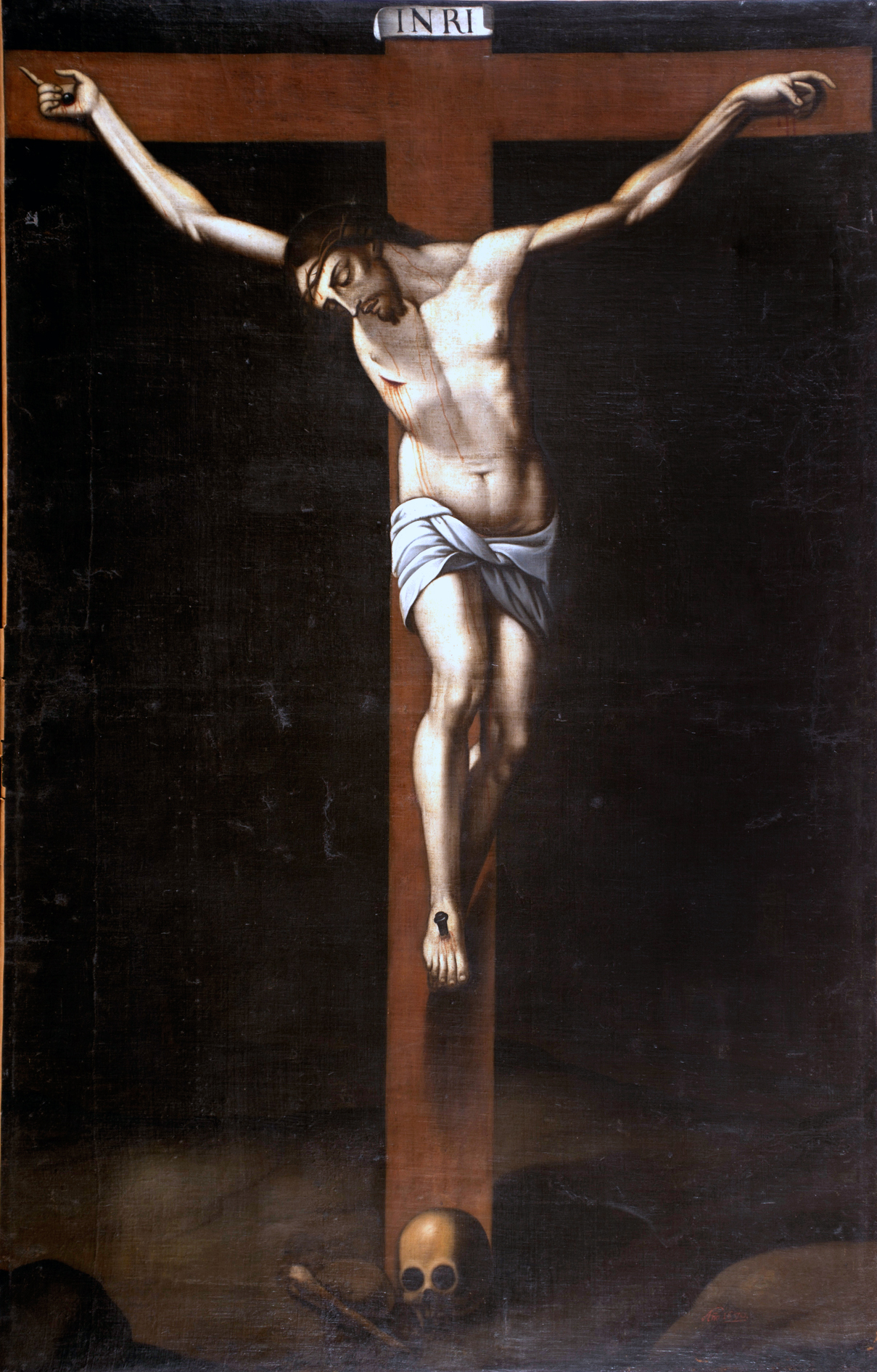
As a Christian theist I understand the role of Jesus Christ in creation includes what is proclaimed in the Gospel by John: All things were made through him … and the Word became flesh and dwelt among us, and we have seen his glory, glory as of the only Son from the Father, full of grace and truth.
Since beauty seems related to the idea of glory, it seems logical that some of the beauty of that divine Word, the creator who became flesh in the person known as Jesus of Nazareth, is already manifest throughout His creation. Since the beauty that is proper to artists and creators is displayed in what they create, I accept that everything beautiful in this world is by extension the Beauty of Christ, my creator and my redeemer.
Psalm 19 explicitly makes this claim and Jesus seems to concur when He says King Solomon’s glory (beauty/splendor) could not even match the lilies of the field. Even atheists who are awed by the beauty in nature are appreciating the beauty of God made manifest in God’s handiwork. They simply fail or refuse to recognize the personal, loving source of that divine Beauty.
I can remember one day walking to seminary in the fall of 2002. The leaves were turning on their autumn colours and I recall seeing a little bush. It was fairly small but it was particularly red, unusually red, remarkably red, almost to the point of seeming to glow. I heard no audible voice but it almost seemed that I was being visually hailed, and I could not help but think of Moses and his encounter with a fiery bush.
Something happened in my heart. I say heart rather than mind, because my experience did not seem to come from a conscious thought. Rather it was like a jolt of joy; a surprizing heightened perception that filled me with delight, lifted my spirits and remained strong enough for me to realize that more than just a casual appreciation of nice fall colours, I had just been given a glimpse into the beauty and glory of heaven.
I remember trying to explain this experience to one of my professors who admitted that his own appreciation of beauty was more likely to occur when he encountered a well-crafted logical argument. This reminds me that we often use the word “beautiful” when referring to all manner of other experiences such as solving a difficult puzzle, or, achieving a long sought-after goal or any delightful serendipitous discovery.
So Jesus reveals His beauty to me both in Creation and in Redemption. Perhaps that jolt of joy we experience when we glimpse something exquisitely beautiful relates to that more ongoing delight that is popularly known as “being in love.”
My son once observed that we seem have more different emotions than we have words to describe. The relationship between our various emotions also seems complex, and we hear an understandable paradox when Juliet says to Romeo “parting is such sweet sorrow.” Love is “beautiful” but love is also the cause of sorrow when what we love is taken from us.
One friend suggested that the type of beauty Jesus calls us to recognize and that He Himself epitomizes is the beauty of self-sacrificing love. It is common to think that wounds and scars are antithetical to beauty, but this is one of the many cultural notions that Jesus’ ministry and resurrection tends to subvert.
This transformation of the concept of beauty prompted Matthew Bridges’ hymn lyrics, “Crown him the Lord of love; behold his hands and side, rich wounds, yet visible above, in beauty glorified; no angels in the sky can fully bear that sight, but downward bends their burning eye at mysteries so bright.”
Thus Beauty not only delights us, but also humbles us and may cause us to hesitate (as Isaiah did; Is. 6:1-5) when invited into the embrace of a Beauty so glorious and majestic that we fear our very presence will sully that which we know we are unworthy of partaking. Unlike Thomas, I cannot physically touch Jesus’ wounds, but like Thomas I do perceive the Beauty of Jesus and His love when I contemplate the wounds and scars that He willingly received to save me.