“But the fruit of the Spirit is love, joy, peace, patience, kindness, goodness, faithfulness, gentleness, and self-control.” (Galatians 5:22-23).
It might suffice to say such a society would look like a wonderful and delightful place of meaningful human flourishing. Perhaps a more pointed question would be: is there any possible path toward actually finding or becoming such a society? Could it be a matter of simply adding these virtues to our existing lives and societies?
In the middle of the last century there was a marketing craze for additives. Many products were recommended because they were “improved” with the addition of one special ingredient or another. Although there is irony in the way marketing has now shifted to promoting “additive-free,” perhaps if we all just added more of these nice Fruit-of-the-Spirit virtues to our lives, we might approach utopia.
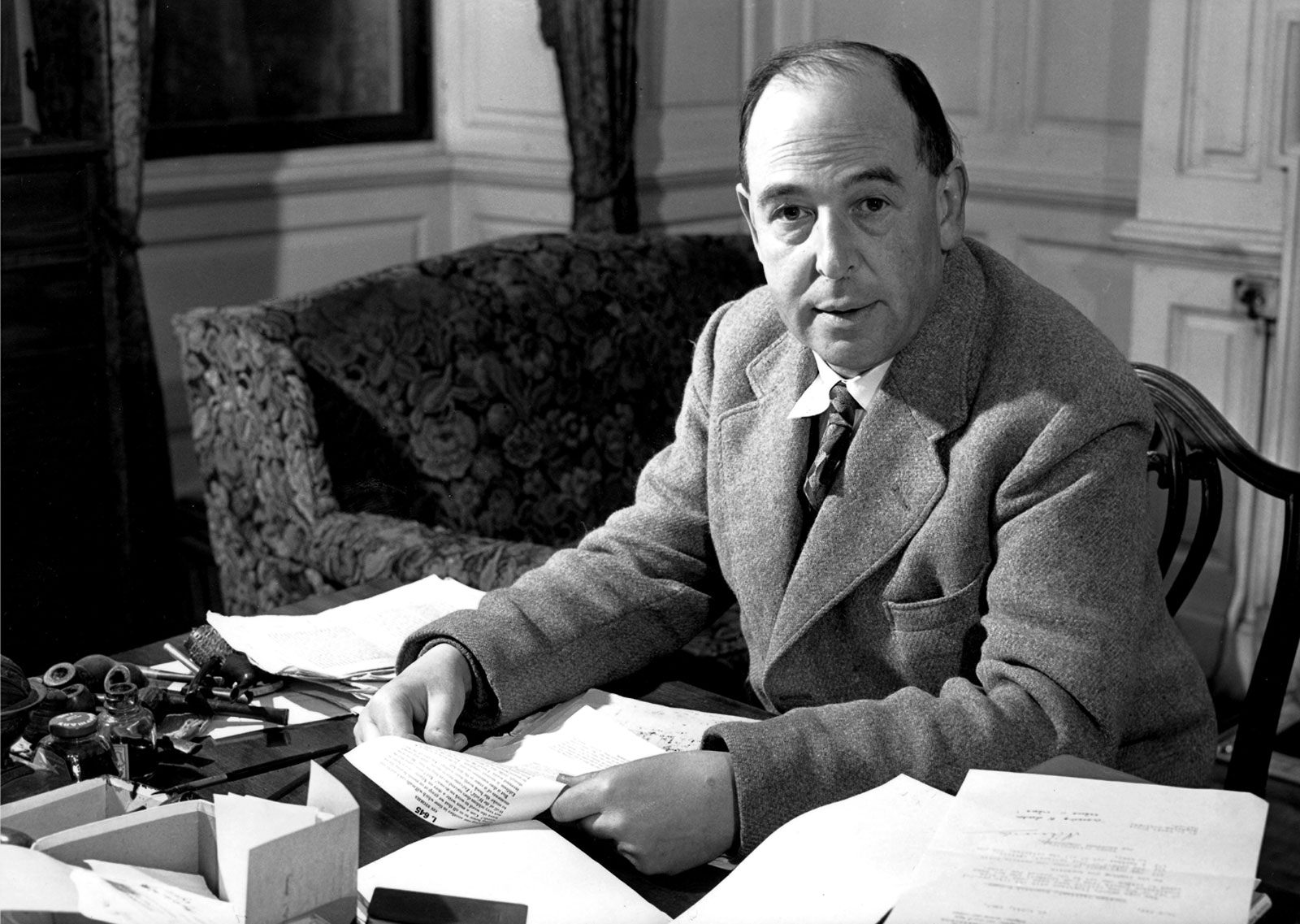
C.S. Lewis comments on the possibility of making ourselves nice but nevertheless remaining estranged from our Creator:
‘Niceness’— wholesome, integrated personality — is an excellent thing. We must try by every medical, educational, economic, and political means in our power to produce a world where as many people as possible grow up ‘nice’; just as we must try to produce a world where all have plenty to eat. But we must not suppose that even if we succeeded in making everyone nice, we should have saved their souls.
“A world of nice people, content in their own niceness, looking no further, turned away from God, would be just as desperately in need of salvation as a miserable world — and might even be more difficult to save. For mere improvement is not redemption, though redemption always improves people even here and now and will, in the end, improve them to a degree we cannot yet imagine.
If the simple addition of virtues was sufficient, shouldn’t we have been experiencing peace on earth long before now? The fallacy of the simple addition proposal might be further exposed by the observation that both Hitler and Stalin were kind to little children.
Nevertheless, for many, being a Christian is about adding Jesus, in hopes of improving lives that are already well established on the values of popular Western culture. For some, Christian faith was primarily about getting forgiven. For others, influenced by popular humanism, following Jesus meant just using his “teachings” to try harder to be better people. In both cases little attention was paid to the kinds of transformation needed to actually form godly character, values, and behaviours.
Seldom was it asked whether common values imbedded in Western culture such as materialism, consumerism, patriotism, and individualism needed evaluation regarding their compatibility with Jesus’ gospel. Although many of us admitted we wanted God’s help, what we really hoped was that God would help us achieve our own goals, follow our own dreams, choices and passions.
The popularity of the so called “prosperity gospel” is evidence of this trend to see God as a facilitator or servant of our own human ambitions, and although we might not use the term, greed. Even those of us in more traditional faith expressions may have to admit that when we pray for God to “bless us” what we are really hoping is that God will help me to have it “my way.”
There are other clues that the virtues known as the Fruit of the Spirit involve more than simple addition — trying to add them into our lives by our own strength and good intentions. One clue is that the famous fruit of the Spirit passage comes directly after a contrasting list of the “works of the flesh.”
Once again it is worth quoting C.S. Lewis:
Fallen man is not simply an imperfect creature who needs improvement: he is a rebel who must lay down his arms. … This process of surrender — this movement full speed astern — is what Christians call repentance. Now repentance is no fun at all. It is something much harder than merely eating humble pie. It means unlearning all the self-conceit and self-will that we have been training ourselves into for thousands of years. It means killing a part of yourself, undergoing a kind of death.
While fruit growing may seem a relatively peaceful process, Paul asserts that it actually involves great conflict. As gardeners know, successful fruit growing requires constant vigilance against weeds, pests, and diseases; and, occasional pruning of branches. Becoming truly “spiritual,” like a dental cleaning, is often not pleasant. Indeed the removal of the things that are not healthy for us may even feel painful.
We should probably admit we don’t have the skills to perform the needed surgery on ourselves. However, production of the character traits known as the Fruit of the Spirit is not just magical divine action performed on passive human hearts, but neither is it the result of unaided human effort and good intentions. As in AA and 12 step programs, our liberation from addictive selfishness requires submission to and active co-operation with a “higher power.”
The kind of heart and soul surgery we need requires the two hands of God in creation: the Word and the Spirit. Our role is to surrender to the Spirit of God and the Lordship of Christ. When we put away not only our swords but also our egos and our pride, may it be that the Fruit of the Spirit grows sweeter our lives and nourishes our communities.